


Cost zones are used to handle multiple front-line prices for the same item, and are set up during implementation. A supplier can assign subscribers (retailers) to particular zones and then assign the correct cost information to each zone.
Zone setups differ from customer to customer. Zones are normally based on geographic areas, channels, retailers, or stores that have unique front-line costs.
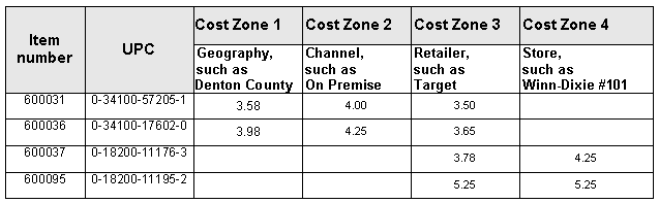
For example, some pricing for alcoholic beverages is fixed for a particular geographic area, such as a county. Other beverages are priced to be consumed “on premise.” Non-alcoholic beverages may be priced individually for each retailer or retailer store.
We use two types of zones in Park City Group.
Cost Zones: A cost zone is based on the cost of an item to a subscriber.
Retail Zones: A retail zone is based on the retail price of an item to a subscriber.
In turn, each type of zone will fall into one of two categories:
Regular zones: A regular zone can consist of geographic areas, franchise areas, economic areas, groups of stores, and so on. More than one retailer can be authorized to receive costs and retails in a regular zone.
Store zones: Also called store-level zones, a store zone will apply to one particular store that is associated with a retailer. Only one retailer can be authorized to receive costs or retails in an individual store zone. The name of the zone should reflect the name or number of the store.
The following are examples of cost zones.
Updated 12/13/2002